You get the picture: a crackling fireplace, a table crowded with people who love each other, a handful of generations laughing at the same joke. It appears in commercials, in films, in the cards on every store shelf, the perfect Hallmark moment. For many of us, it also appears in their mind each November, as an invisible measuring stick against which their own life is held up and found wanting.
The holiday season has a way of making loss more tangible. Grief that has been manageable, even somewhat dormant, in the ordinary rhythm life can feel newly raw when the world insists on togetherness and connection. The absence is the same size it was last month; it is simply easier to see.
“Without permission to grieve, many of us simply endure, and smile, and say they’re fine.”
Many losses go unrecognized this season
When we talk about holiday grief, we often picture a recent death. That grief is real and it certainly deserves space, but in my work with midlife women, I see a much wider circle of people who dread this time of year, and many of them never name it as grief at all.
The divorced woman may be grieving a marriage, a family structure, or the future she planned. Spending the holidays without her children was not how she imagined her life to be.
The single woman feels the pressure of bringing someone to the table to avoid being questioned and ending up with old aunt Betty.
The woman who wanted children and couldn’t have them faces a season built around what she was denied.
The estranged woman grieves people who are alive but out of reach, unsupported by the sympathy a death would bring.
What these women share is a kind of grief that psychologists call disenfranchised: loss that isn’t openly acknowledged, socially supported, or publicly mourned. Without permission to grieve, many simply endure, and smile, and say they’re fine.
Why the contrast hurts so much
The pain of the holidays isn’t just about what is missing. It is also about the story we've created about what a 'good' holiday looks like, and the hidden belief that anyone whose life doesn’t match it has somehow fallen short. This comparison turns grief into shame, and shame makes people withdraw, precisely at a time that is meant to be about connection.
A few things worth trying if this is your season
There is no magic formula for getting through the holidays, but some things might make them a little more manageable.
Name what you’re actually grieving. Naming a loss or an emotion you're feeling, even privately, often loosens its grip. “I feel lonely” and “I’m sad this is not how I pictured it” are both worth saying out loud.
Give yourself permission to do it differently. You are allowed to skip the traditions that now hurt, keep the ones that comfort, and invent something new. You don’t owe anyone the performance of a perfect holiday.
Choose your company deliberately. One person who you can be yourself with is worth more than a room of people asking you to be cheerful.
Let the feeling be there without judging it. A hard day, or even a hard season, doesn’t mean you’re doing grief wrong.
“What would a ‘good enough’ holiday look like for me this year?”
“Who in my life might be quietly dreading the holiday season?”
Noticing what goes unspoken
Here is where I think we can all do more. Much of this grief is invisible, not because these women are hiding it well, but because most of us have never been taught to look for it. The woman at your office who says she has “no big plans.” The neighbor who always seems busy in December. The friend who declines the party with a polite excuse. The relative who changes the subject when children come up. If we stay curious, we might notice what goes unspoken.
An invitation to go for a walk, a little something left at someone's doorstep, a message that says “I’m thinking of you today,” or simply asking “How are the holidays treating you, really?” and then staying for the answer: who knows, a small gesture may make a hard season feel a little less lonely.
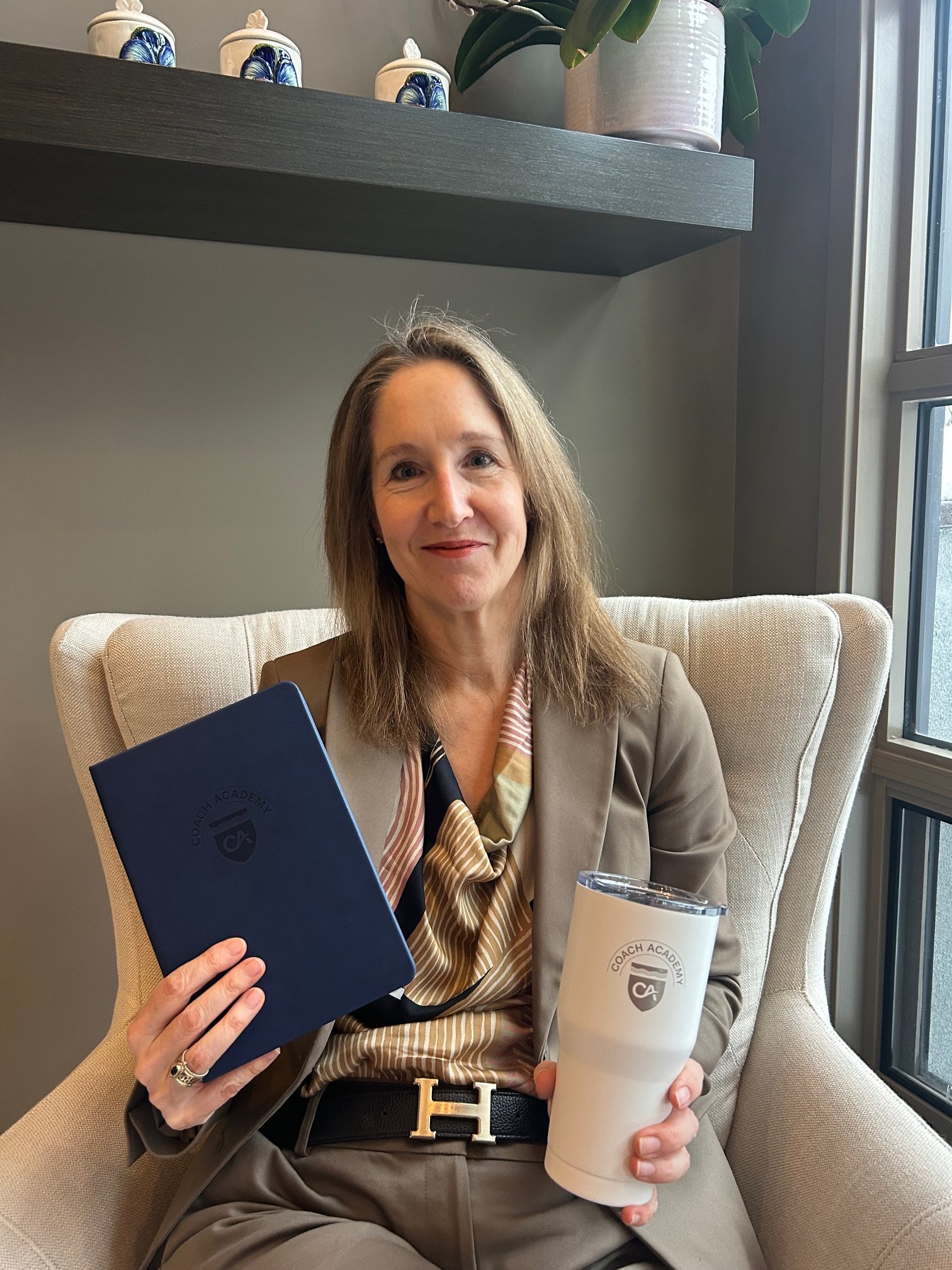
I help women in midlife work through complex transitions, so they can choose with intention and move forward with confidence.
Trained as a psychologist in the Netherlands, certified as a Life & Wellness Coach in Canada, and seasoned with lots of international relocations.
If this blog resonates, I’d love to hear from you!
Maaike ten Berge, PhD
Life & Wellness Coach at New Dawn Psychological Coaching