Psychological Coaching with Maaike
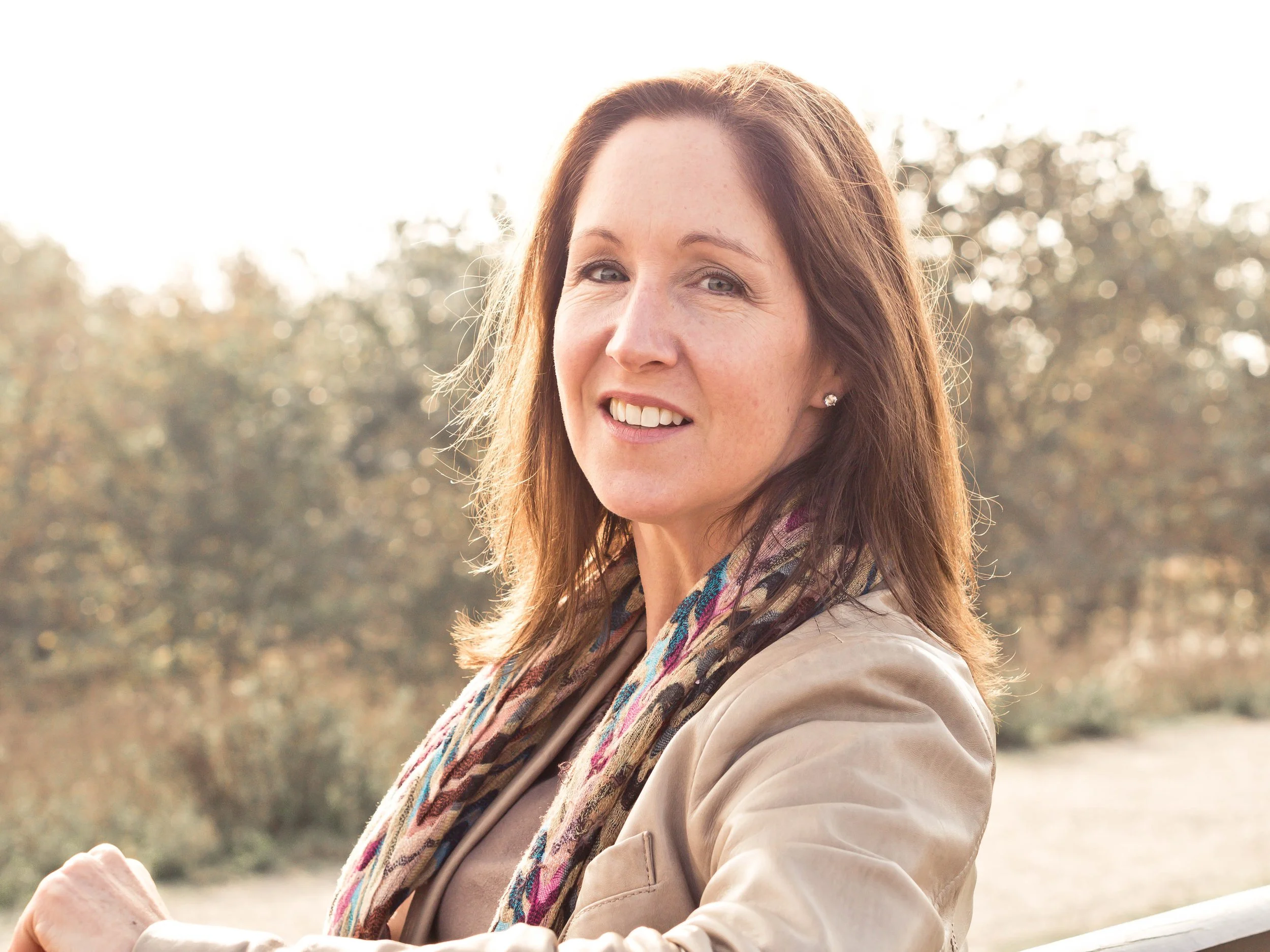
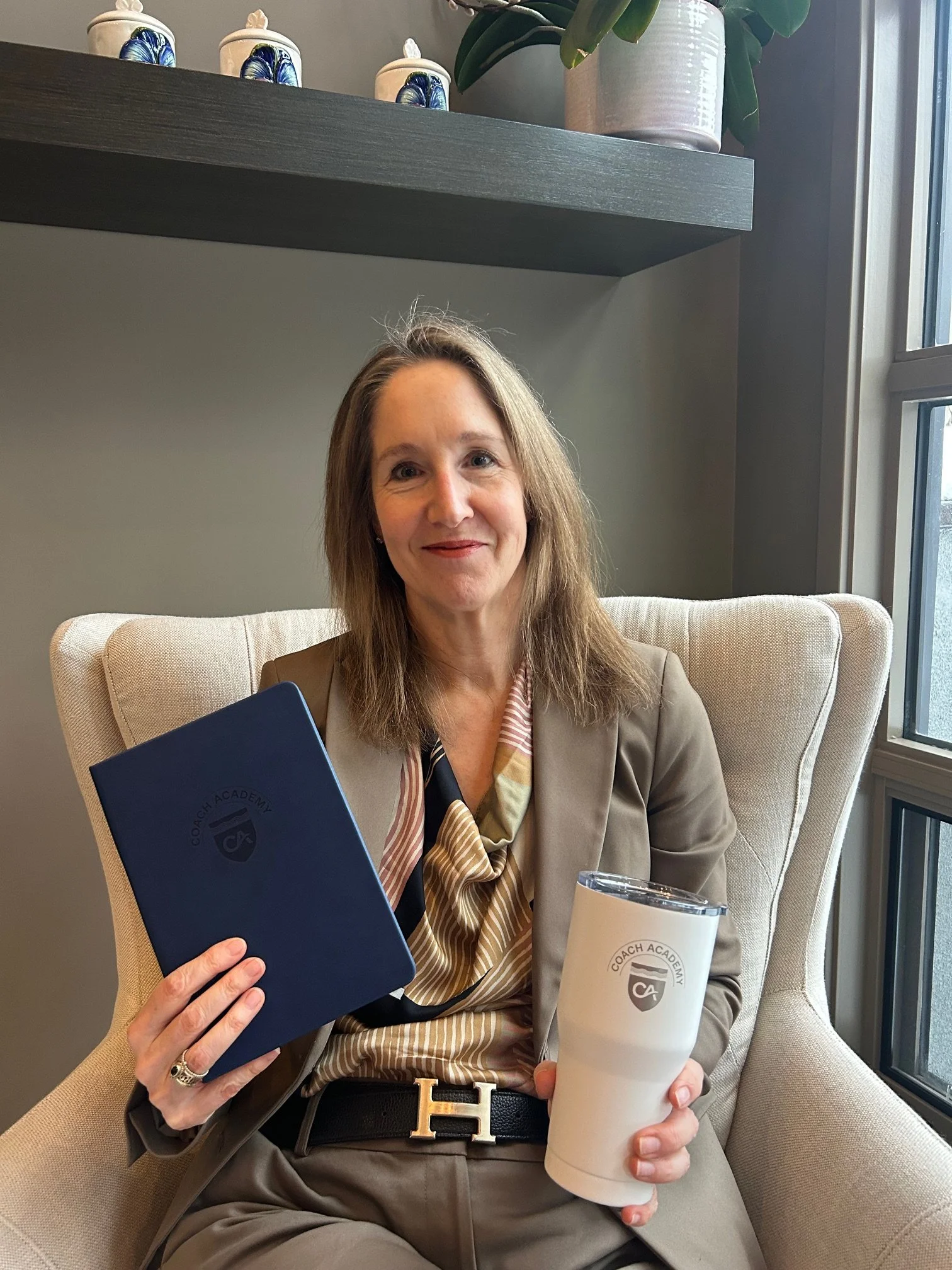
About Maaike
Maaike ten Berge, PhD, is a psychology-informed coach working with women in midlife transition. Based in Calgary, Alberta, after many moves across the globe, she works with clients worldwide in English and in Dutch.
My Story
There was a version of me who had it all figured out
A career I had worked hard for. A clear sense of who I was and where I was going. Then life did what life does, it asked me to let go of all of it.
When my family moved abroad, I told myself it was an adventure. And it was...but it was also the beginning of something I hadn't anticipated: the quiet, unsettling experience of losing the thread of yourself.
Over the next twenty years, we moved to a new country every few years. Each time, I packed up our home, said goodbye to the community I had built, and started over. New culture, new language, new social landscape. No map.
I did it with love, for my family, and for the life we were building together. And I did it while quietly wondering who I was now that so much of what defined me was left behind.
The moment everything shifted
There was no single dramatic turning point. It was more like a slow accumulation of loss, of reinvention, and of rebuilding, until one day I realised: I had spent so much energy creating stability for everyone around me that I had forgotten to ask what I needed and who I was becoming.
That question — Who am I, and what do I want from this life? — changed everything.
Not because I found an impressive answer, but because I finally gave myself permission to ask it, and to keep asking, without rushing to the answer.
The struggle no one talks about
Here is what I know from living it: Midlife transition is not a crisis. It is a calling.
But it rarely feels that way when you’re in the middle of it.
In the middle of it, it feels like disorientation. Like grief for a version of yourself you are not sure you can return to, and uncertainty about the version waiting on the other side. It feels like you should have it together by now. Like everyone else seems to know what they are doing. Like something is wrong with you for feeling so lost when, from the outside, your life looks perfectly fine.
Nothing is wrong with you; you are just in the middle of something. And that is exactly where the real work happens.
What I found on the other side
My years of moving taught me something I could not have learned any other way: identity is not something you have, and it is not fixed. It is something that grows with you, each time life asks you to change.
In that sense, every transition I navigated became some kind of training. In resilience. In flexibility. In self-trust. In the art of letting go of who I was to make room for who I am becoming.
The way I see it
I believe women are not meant to navigate transformation alone.
For too long, we have been taught in subtle ways that there is not enough room for all of us. Not enough success, not enough recognition, not enough space to be fully ourselves. So, we compete instead of collaborate, or we do not even bother trying. We keep our struggles private because asking for help feels like admitting defeat.
I do not believe any of that is true.
I believe that when women lift each other up, the pie gets bigger for everyone. That your breakthrough does not take anything away from mine, it inspires me to go for my own. That we are stronger, more creative, and more alive when we are supported and when we support.
I also believe you do not need anyone's permission to choose yourself. But sometimes, in the middle of a life that has been built around everyone else's needs, it helps to have someone stand beside you and say: ‘This is yours to have and it’s OK.’
That is what I am here for. Not to hand you answers, but to walk alongside you while you find your own.
How I work
My approach is grounded in the psychology of coaching and shaped by life.
I bring my doctoral training and professional experience in psychology to every coaching relationship, which means the work we do together is not just scratching at the surface. We go beneath the patterns, the old stories, the beliefs that were formed long before you had the words to question them.
And I bring everything I have lived: the disorientation of starting over, the slow work of rebuilding identity, the moment of realising that what felt like loss was actually the beginning of something more meaningful.
Together, we will:
Untangle what is keeping you stuck and reconnect you with what matters most
Rebuild the self-trust and boundaries that make it possible to move forward with confidence
Identify the version of yourself that has been waiting, not the one you used to be, but the one you are becoming
Create practical, grounded steps forward that fit your real life and your values
This is not about fixing you, there is nothing to fix. This is about coming home to yourself.
You do not have to do this alone
If you are in the middle of a transition, whether it is a relationship ending, children leaving home, a career that no longer fits, or simply that quiet, persistent sense that there must be more than this, I want you to know something.
What you are feeling is not a sign that something is wrong. It is a sign that something is ready to change.
And the most powerful thing you can do right now is not to push through alone, it is to reach out.
Let's find your way forward, together.

What is Psychological Coaching?
Psychological coaching is a collaborative partnership between coach and client, grounded in trust and respect. It offers a safe, non-judgmental space in which reflection and exploration can take place. Coach and client work together to co-create meaningful goals, shaping the process around what the client wants to change, develop, or understand more deeply.
Drawing on insights and principles from psychology—without engaging in therapy—psychological coaching focuses on the present and the future rather than on diagnosis or treatment. It invites exploration of values, patterns, and limiting beliefs that may be influencing choices and behaviour. Through gentle inquiry and awareness, small shifts in perspective emerge, often leading to meaningful changes in effectiveness, confidence, and intention.
An important element of psychological coaching is attention to the body as well as the mind. By increasing body awareness and noticing emotional and physical responses, clients gain deeper insight into how they experience situations and make decisions. This integrated approach supports sustainable change, helping clients move forward with greater clarity, purpose, and agency.
Contact me
Are you curious about coaching with me? Fill out the contact form, and I will be in touch shortly. I would be honoured to accompany you on your journey.
Maaike