What Is Empty Nest Syndrome — And How Do You Move Through It?
As I write this, graduation season is in full swing. A season full of celebration, pride, change … and for many parents, a quiet sense of loss that can catch you off guard.
This summer, our son is leaving home to start university. Four years ago, our daughter moved out first. Back then, it truly felt like the end of an era. Our life as a family of five was officially over.
I assumed this time would be easier because I had already been through it once. And in some ways, it is. My first experience with an emptying nest taught me something important: this transition changes your life, but different does not automatically mean worse. It simply means different.
I also realised that this phase of life is not just something that happens to us. We have more influence over how we shape this next chapter than we tend to think. And hidden inside the uncertainty, there can also be space, possibility, and renewal.
So, if you found yourself searching late at night for something like "Why do I feel so lost now that my children have left home?" you are not alone. And what you are feeling makes sense.
“Hidden inside the uncertainty, there can be certainty, possibility, and growth.”
What Is Empty Nest Syndrome?
Empty nest syndrome is not a clinical diagnosis, but it is a very real emotional transition that many parents experience when their children leave home.
It can bring up grief, loneliness, sadness, anxiety, identity questions, or a sense of losing your role and purpose. Some women also notice physical symptoms such as fatigue, poor sleep, low motivation, or emotional overwhelm.
And alongside all of that, there can also be relief, freedom, excitement, and possibility. That emotional mix can feel confusing, but it is incredibly human. Loving your children deeply and wanting more space for yourself can exist side by side.
The Feelings Many Women Experience
Grief
Even when you are happy for your children, you can still grieve for what is no longer. Your day-to-day reality will change, and it’s OK to take some time to adjust.
Identity shifts
For many women, motherhood has shaped daily life for decades. When that role changes, it can leave you wondering who you are beyond your role as a caregiver.
Guilt
You may feel relieved to have more freedom, and then immediately feel guilty for feeling that way. Or you may feel sad when everyone expects you to feel proud and excited.
Changes in your relationship
If you have a partner, this transition can also shift the dynamic between you. For some couples, this creates space for reconnection. For others, it highlights a distance that has quietly developed over years of parenting.
How to Support Yourself Through This Transition
1. Start reconnecting with yourself early
Try not to wait until the house is suddenly quiet. Begin reflecting now on what you need and want in this next stage of life.
You could start by answering the following questions:
What brings me energy now?
What parts of myself would I like to rediscover?
What have I put on hold for years?
What kind of life do I want to create moving forward?
2. Create new ways of staying connected
Your relationship with your child is changing, not disappearing. Talk together about how you would like to stay in touch. You could think about a weekly call, shared playlists, or sending a daily snapshot on BeReal. I keep in touch with my own dad by playing Wordfeud and sending messages in the chat. I found that relationships evolve, but the connection remains.
3. Invest in your own life again
Revisit old interests, prioritise your health, deepen friendships, explore new work, or simply create more room to breathe. Not as a distraction from loss, but as an investment in your own wellbeing and identity
4. Don't go through it alone
If this transition feels heavier than you expected, please know that you are not failing at it. Talk to friends in a similar life stage, share honestly with your partner, or reach out to a coach or therapist for support and perspective.
“What parts of yourself would you like to rediscover?”
”What kind of life do you want to create moving forward?”
The Hidden Opportunity Inside The Empty Nest
As difficult as this transition can feel, it is also an invitation. An invitation to redirect some of the care, energy, and attention you have poured into others towards yourself.
An invitation to reconnect with your own needs, values, health, relationships, dreams, and identity. To build a life that feels fulfilling not only because you are needed, but because you are fully living it.
And perhaps most importantly, to show your children that life does not stop after raising them. It simply evolves.
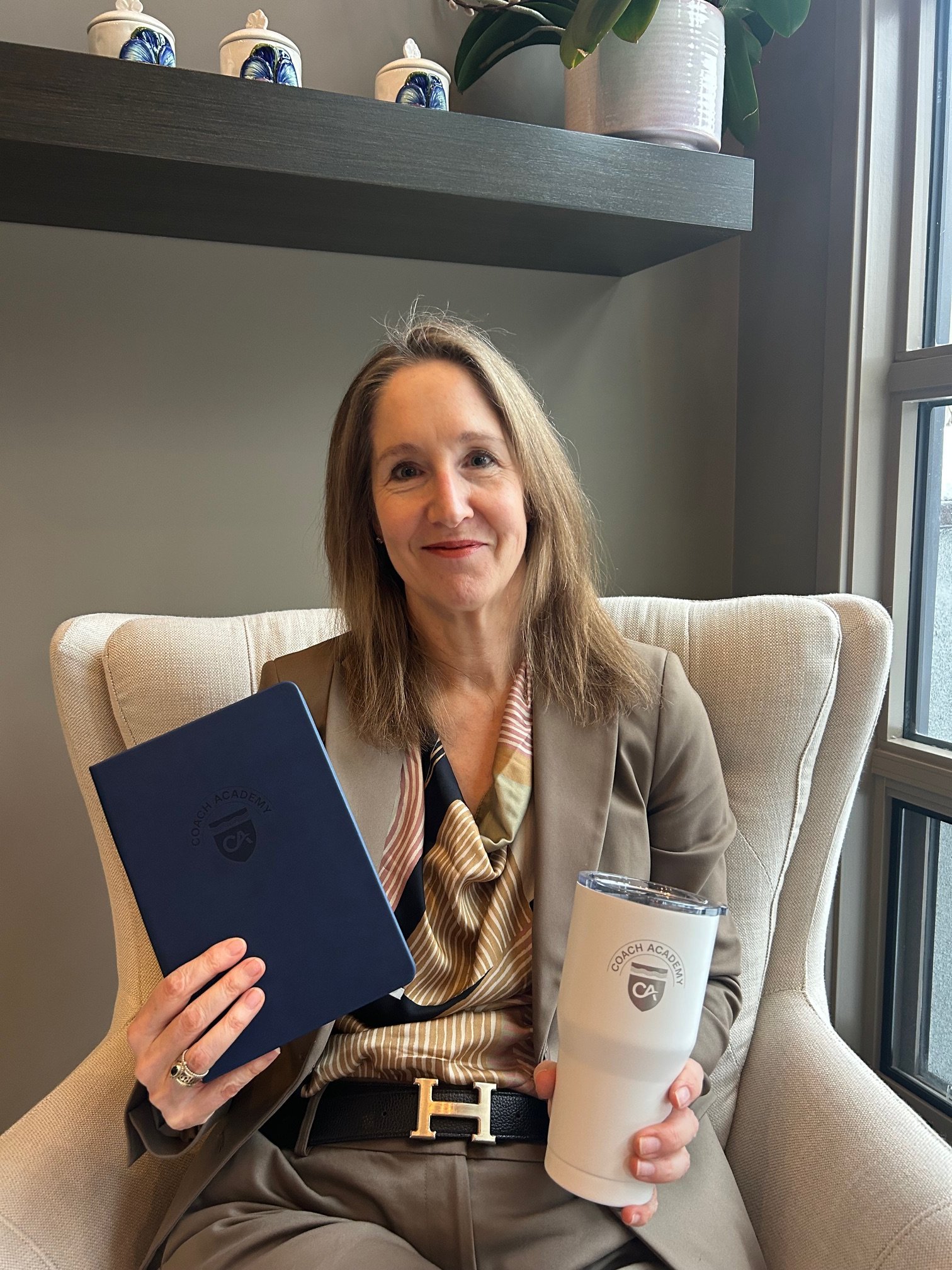
I help women in midlife work through complex transitions, so they can choose with intention and move forward with confidence.
Trained as a psychologist in the Netherlands, certified as a Life & Wellness Coach in Canada, and seasoned with lots of international relocations.
If this blog resonates, I’d love to hear from you!
Maaike ten Berge, PhD
Life & Wellness Coach at New Dawn Psychological Coaching